

1773 – The Boston Tea Party
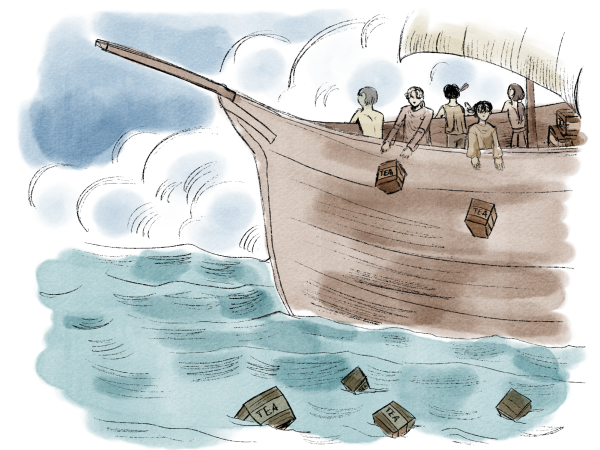
On December 16, 1773, American colonists boarded British ships in the Boston Harbor and dumped 342 chests of tea into the water. They wanted to deliver a message: taxation without representation would not be tolerated. This act, however, represented something more than just an argument against taxes – it was about self-government and a protest against monarchy. The gesture showed how founding American citizens were willing to stand against a government that did not work with the people. The Boston Tea Party is often seen as the first true protest in American history to protect democracy. It laid the foundation for the following revolutions and proliferated the idea that to maintain democracy, the people must rise against unchecked authority.
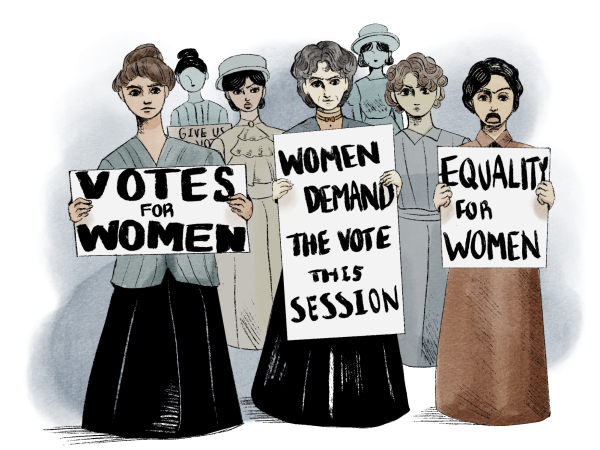
1913 – Women’s Suffrage Marches
Nearly 140 years later, another set of marginalized Americans began to fight for their rights and recognition by the democratic system. On March 3, 1913, more than 5,000 women made their way down Pennsylvania Avenue in Washington, D.C., a day before Woodrow Wilson’s presidential inauguration. Women demanded their right to vote and participate in American politics – a right denied to them since the founding of the nation. Demonstrators were forced to endure verbal and physical abuse from hostile crowds since patriarchal tradition demanded that women to remain silent. Yet the march captured national attention, and the protests forced Americans to acknowledge women’s lack of rights as a contradiction of democracy, excluding half its population. By 1920, the 19th Amendment was ratified, and women were able to vote, proving the power in protest and how it allows democracy to flourish.
1974 – Post-Watergate Demonstrations
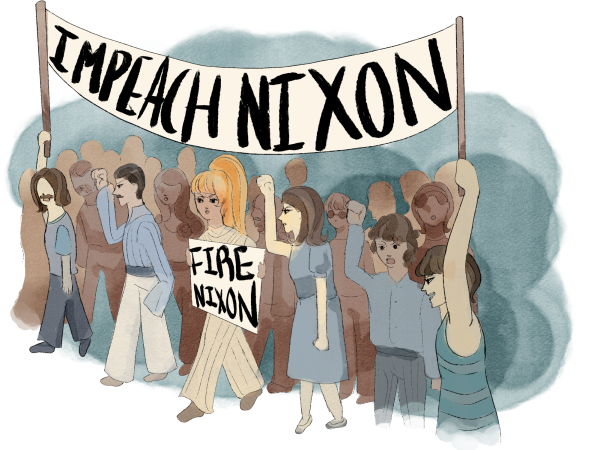
The 1970s posed another test to American democracy. The Watergate scandal exposed President Ricard Nixon’s corrupt administration. They were found guilty of illegal surveillance, bribery and corruption, and American citizens were outraged to see it. Public protests exploded all over the U.S. – protestors exacerbated distrust in the government and demanded they take accountability and maintain transparency. The public pressure thereafter bolstered a message that empowers democracy: no one, not even the president, is above the law. As investigations grew more intense, Nixon resigned in 1974, an unprecedented action in American history. The protests concerning Watergate and their extreme impact helped reinforce the principle that the public hold power through their collective voice. Citizens are essential in holding leaders accountable and democracy itself demands vigilance on the part of the people.
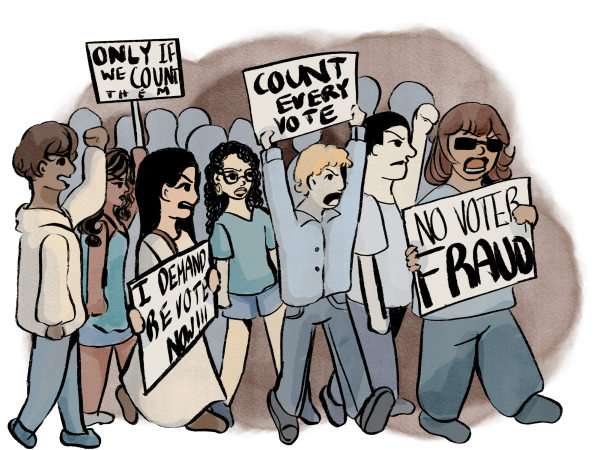
2000 – Florida Recount Protests
As the 21st century began, the democratic system seemed to be tested during the widely contentious presidential election between George W. Bush and Al Gore. The outcome of the election came down to Florida, where ballot errors and almost imperceptible margins forced continuous recounts. Protestors gathered outside courthouses to demand fair and accurate counts. These demonstrations played out all through America and eventually became the center of national news. Outside the U.S., the rest of the world watched as America struggled to manage its own democratic processes. Ultimately, the Supreme Court ended the cyclical recounts a few months later, finally handing the presidency to Bush. However, the protests highlighted how fragile and fallible the system can be, how deeply citizens value the right to have every vote counted.
2024-2025 – “No Kings” Protests
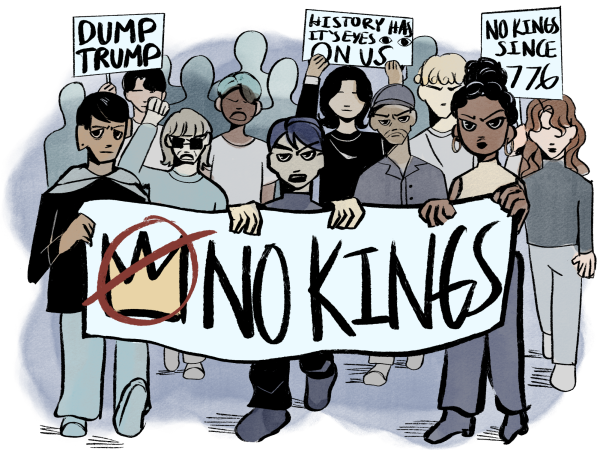
Most recently in the U.S., protests used the slogan “No Kings” as a referencing phrase to the protests in 1773 against authoritarian power. Protesters banded together to warn against Donald Trump’ s alleged authoritarianism and unchecked executive authority. They argued that democracy demands capped power and that Trump has breached the set limits, acting against democracy. Marches and rallies went on to state that the presidency seems to be acting as a monarchy and that citizens will not stand for it. The phrase acted to remind the population of America’s founding constituent: the rejection of concentrated power. These protests reflect growing fear about the future of democracy and, moreover, citizens’ desperation to protect it as they again turn to protest when they feel democracy is at stake.