

Colombian immigration to the U.S. experienced its first surge during the mid-twentieth century. The 1948 Colombian civil war and the drug-related violence were two primary examples that began a cycle of political unrest and economic disparities.
According to the Mixed Migration Center, Colombia’s humanitarian situation reached its most critical level in 2024. Hoping to start anew and seek more opportunities, many have immigrated or emigrated to the U.S. and other similar places.
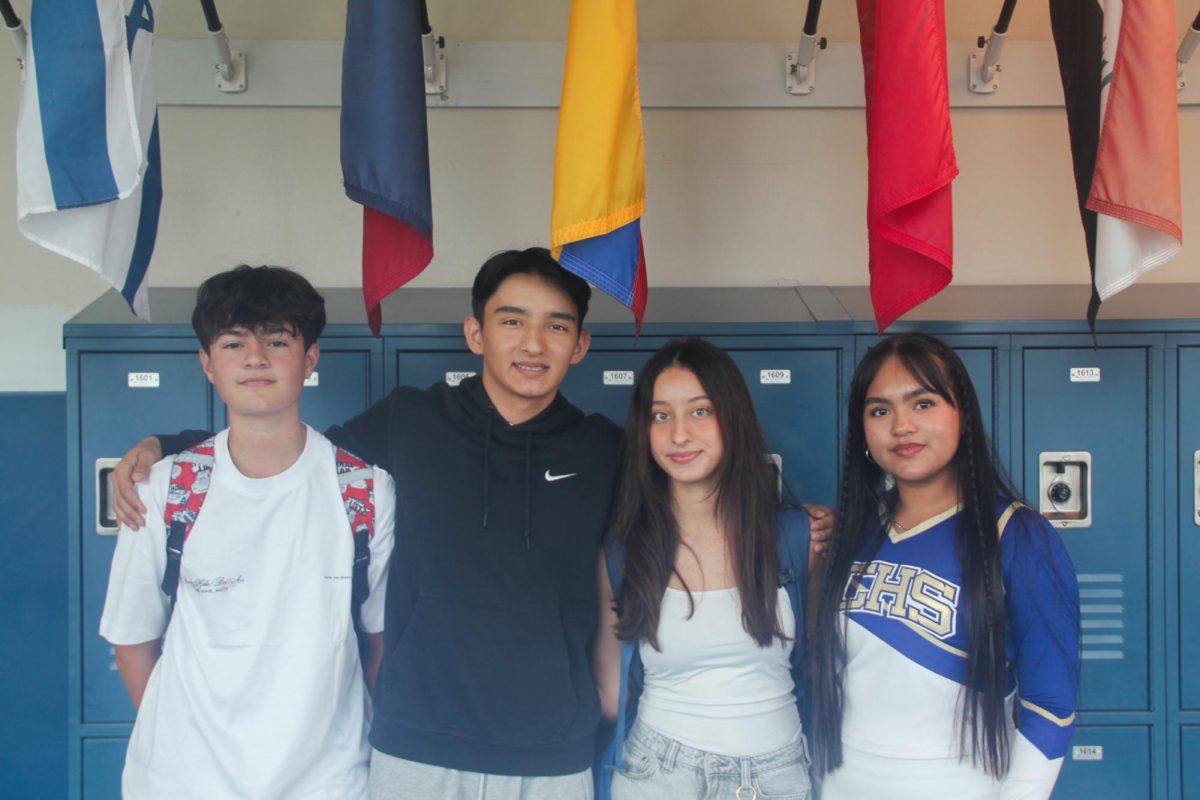
For many Colombian students now attending SCHS, the transition after moving to the U.S. was not easy. Nevertheless, they often brought with them different cultures and traditions. Senior Sofia Baquero is one student who falls under this category.
“When I moved to America, I was in seventh grade,” Baquero said. “My parents moved because they wanted a better future for me, away from the political situation in the country.”
For Baquero, the language barrier was one of the most significant challenges to overcome, but she believes that with the increase in Colombians settling here, stereotypes are slowly fading.
“Some people were racist. They believed that because of the language barrier they just knew me without knowing me. Now, I don’t believe that it happens that often because there are many Colombians, and people are adapting,” Baquero said.
Similar to Baquero, senior Sara Calducho arrived in the U.S. during her freshman year. Despite initial struggles to adapt to the language, she was able to find her place at school.
“Last year, I started feeling like I’m part of SCHS. Maybe because of the dancing, maybe because of the confidence that I earned because of passing the ELPAC (English Language Proficiency Assessments for California), but I started to talk more to my teachers and started to build more relationships,” Calducho said.
English teacher Annie Breger has gotten to know many students who have newly immigrated to the U.S. She believes that every student carries with them a unique story, acknowledging how difficult it must be to start fresh.
“If we imagine you or I have to move to a brand new country where no one speaks the same language as us… it can be traumatizing,” Breger said.
While the political unrest in Colombia has been ongoing for years, many are unaware about the severity, especially due to the lack of media coverage. Senior Dylan Sanchez referred to the newer president and his double standards as one aspect that students do not have full knowledge of.
“What’s going on there, it’s normalized. The people selected that guy (the president) because he was promising a lot of things for the poor people, like he was going to give free college, but he didn’t end up doing anything,” Sanchez said.
Nonetheless, the Colombian community has persevered. Many have noticed an influx of Colombian restaurants and stores popping up across Santa Clara.
“I really like that people are trying to open their businesses to make people try new things. There’s restaurants for everybody, and we miss our food,” Sanchez said. “Sometimes we love to go out and eat something from our country, and I hope that people can try these new restaurants.”
Whether it refers to the Colombian community or any other group, moving to another country can be difficult. Finding a middle ground, however, between embracing a new culture and embodying an old one is vital.
“It’s important that those students stay proud of where they come from, if they want to,” Breger said. “I think part of that balance can potentially be in sharing where they come from because we do have a really diverse population here at Santa Clara High School.”