

From “bookstagram” to “fashion-tok,” social media has created spaces for different communities to network and find like-minded individuals. Through popular platforms such as Instagram and TikTok, communities have flourished, even encouraging others to explore and find new interests.
On the student end of the online world, “study-tok” has risen as a resource to implement tips and habits aimed to make studying more efficient. Sophomore Bintu Deen has noticed that, though some videos can be satire, they often focus on helping people become more accountable with their learning.
“I’ve seen things like studying till the ice melts, or studying until my candle wax dissolves, or just a lot of studying and then rewarding yourself,” Deen said. “It’ll look embarrassing if you get distracted, so knowing that you have an audience watching you, there’s a kind of accountability.”
In addition to study habits, “study-tok” has circulated apps and opportunities that many look out for, especially to facilitate AP class pacings. Searching for one such resource, senior Phuong Vy Mai found popularized websites online to help with reviewing concepts.
“I found KnowIt AI. It’s pretty helpful for AP classes because the subjects they have are correlated to the ones you have in AP classes,” Mai said. “Quizziz, it’s kind of similar, same as KnowIt AI, except people make it instead.”
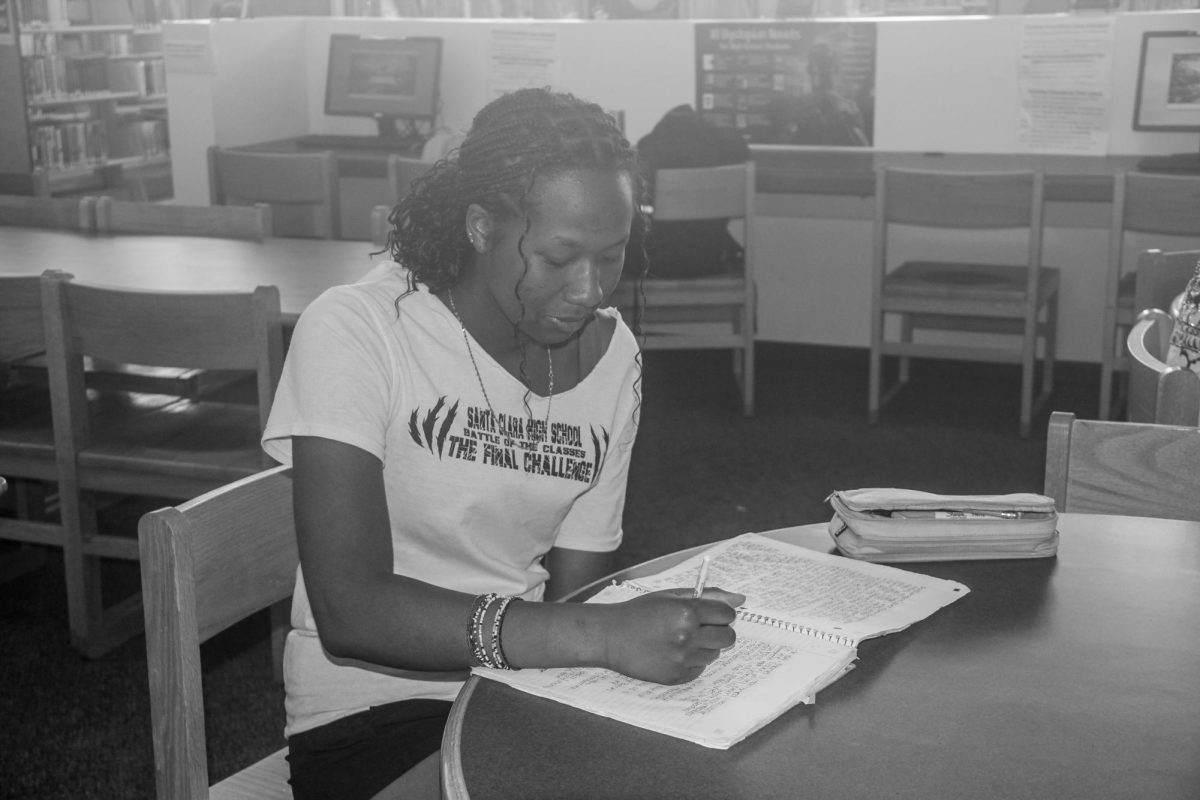
A recurring aspect that is featured in most study videos is the environment and setting, which can facilitate the process of getting into the right mindset. One tip senior Willow Salyards Dawbin found was changing up her surroundings from time to time while studying.
“People can get ideas based off of notes that people have took, or how they study with time, or where they study. One time somebody recommended me to study in a different place, and switching it up actually helps,” Salyards Dawbin said.
While Salyards Dawbin observed trends can promote productivity in small ways, she feels they can also cause burnout. For her, the aesthetic-forward approach exemplified on social media can serve as a constant competition.
“Sometimes the sprawled out papers make it look like they have a bunch done. For me, that would be overstimulating,” Salyards Dawbin said. “I’ve definitely had to learn how to not be a perfectionist in order to get assignments done, so seeing these people have really amazing projects all spread out makes me feel like I need to be doing more.”
Similar to Salyards Dawbin, English teacher Corrie Howard emphasized how trends like ice-melting or candle dissolving may not be suitable for all and may be counter effective due to the lack of breaks.
“I always tend to view the world from somebody who has a disability, and knowing what I know about a brain with, say, ADHD, that’s specifically related to focus,” Howard said. “We need to set realistic goals when our brains work this way. Ice melting is too long, and that could increase the sense of failing when your brain simply can’t go for that long.”
As “study-tok” continues to expand with new tips and trends, more influencers and individuals have seized the opportunity to share their techniques and educational journeys. Deen noted that being a “study-tok” influencer is a strategic opportunity to connect with other students while profiting off of it.
“If you go on social media and you just got into a really good college, and you’re like, ‘Oh yeah, I want to make content and these are my steps, this is how I got into it (and) this is how I studied.’ You can profit off of it,” Deen said.
With all the positives and negatives involved, Howard reflected on the importance of creating the perfect study method catered to one’s strengths and weaknesses. They highlighted how trial and error is vital when seeking the perfect lock-in session.
“Anywhere you can get suggestions is good. There’s no perfect recipe that exists for your brain, right?” Howard said. “You need to find what works for you. If you need ideas from social media, try it and then tweak it and make it match what you need. Then you will be successful.”