

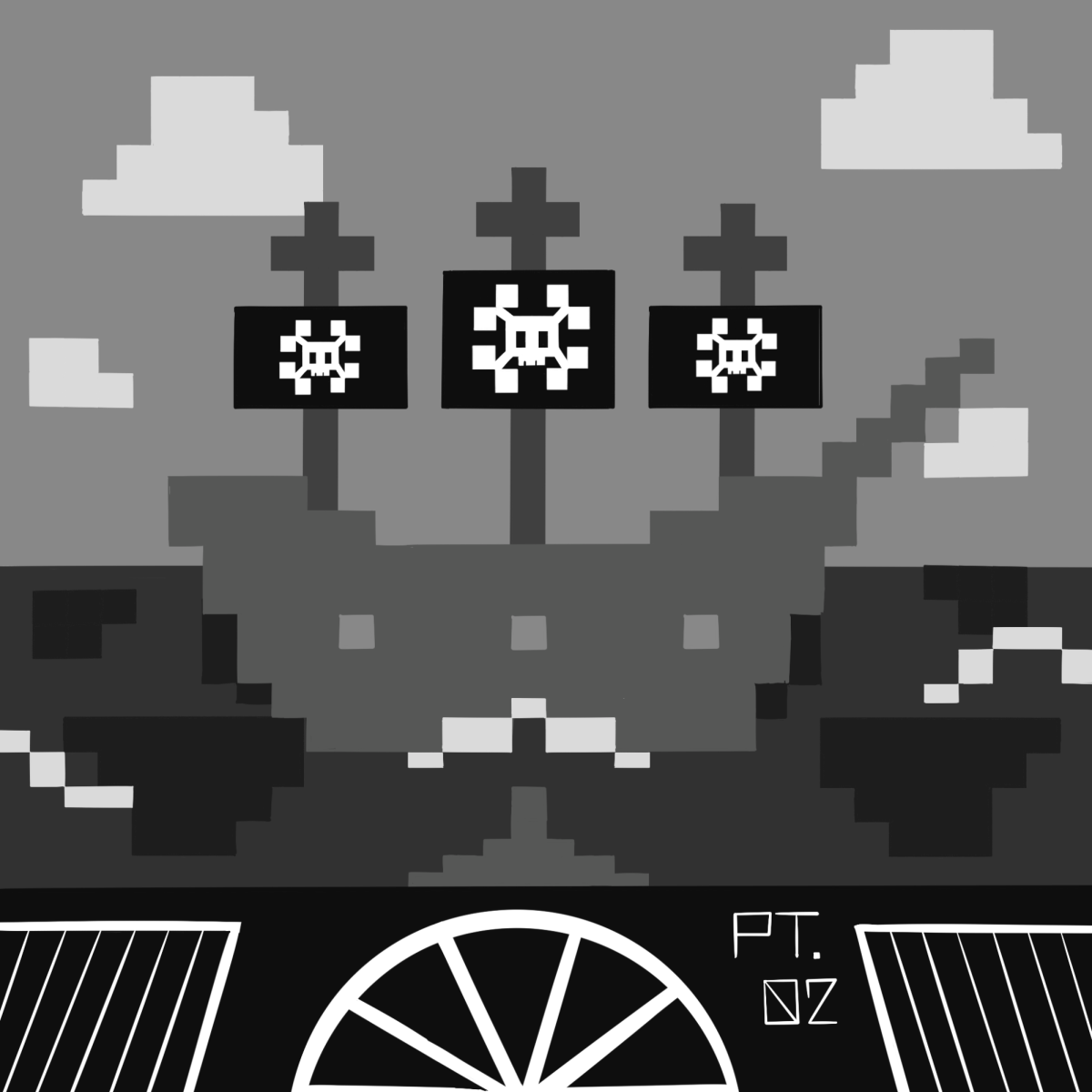
Even as society’s eagerness to consume media rises, their willingness to pay for multiple subscriptions to watch different movies and shows across various platforms does not. As mentioned in Deloitte’s 2026 digital media trends, the majority of consumers prefer subscription services with advertisements if that means the service will be cheaper. The constant release of new media along with public perception of keeping up with the latest information has led many to an unethical solution: piracy.
Piracy is the illegal distributing and copying of material through the internet. When one turns to piracy to obtain copyright material, they are at risk of legal consequences. Title 17, which includes the original rules of the Copyright Act of 1976 and the Digital Millennium Copyright Act, protects creators from copyright infringement as soon as their media is created.
According to Streamsafely, piracy offenses have a maximum penalty of one year in jail and a fine of $100,000. The law helps ensure the public is not using their work for individual purposes and establishes that those who pirate media will be punished as a result of their unjust actions. If the intent with the pirated content is to make more money and profit off of others’ work, consequences can become more severe.
Even if taking content for one’s own personal use may seem just in order to bypass paywalls, the theft of original content is unethical and still deemed punishable. When an artist creates original media, they are given the right to copyright their work. When an individual takes this content for their own purposes, however, they are causing consequences for the artist.
According to Americans for the Arts, smaller video producers who are part of the lower 10% of creators make an average salary of around $44k. Artists who are just beginning their public careers may struggle to put up content consistently, and taking from them through piracy can have unintended negative effects, pushing artists’ timelines further back. With a tighter budget to sustain their lifestyles and further their careers, pirated versions of their content can take away from profits and funding the creators receive.
Extensively, the use of pirated content causes financial loss for large companies, negatively impacting the economy. When viewers are able to access content through illegal websites, they are retrieving media that would have originally needed to be paid for to watch. An article by ABC News mentioned that internet companies whose service allows for pirated websites to be accessed are the ones who will have to pay penalties to the media companies.
Piracy causes the companies to make less profit off of their creations, harming future production of media. Although not considered at first, the act of streaming media through pirated websites and illegal actions leads to decreased profit, thus lowering the amount of jobs available.
Spending money on customer usage mistakes can go as far as cutting off internet access entirely in smaller places and homes. Places including underdeveloped countries and low-income areas are affected the most. When families struggle to provide for themselves due to smaller salaries, necessities such as access to the internet can only be held if prices stay low.
When companies are required to pay for mistakes customers make, they could raise prices of their services for everyone. Although only a fraction of individuals partake in pirated activity, the general public has to pay the consequences. Even if some are not financially stable to do so, they will still be impacted.
The use of pirated websites can also overshadow online safety laws. Due to their illegal nature, websites where individuals shared pirated content or content for reselling might not abide by enacted laws. For example, the Children’s Internet Protection Act, congress enacted in 2000, protects students from inappropriate or harmful content.
According to the Federal Communications Commission, in order to receive discounted education-rate, teachers and librarians must make sure that all internet services are safe and have filters for pictures that are “obscene, child pornography, or harmful to minors.” With pirated websites available for students to access, schools and organizations are out of control of managing internet protection for minors.
Not only does the content itself bring up safety concerns to viewers, but it also can harm devices that house the websites. Because individuals do not know where pirated websites come from, people could unintendedly share information to unknown groups. As mentioned in America’s Cyber Defense Agency, people from anywhere in the world could attack viewers, and when people download pirated websites, this can become easier for attackers.
What starts as a single act of streaming content on illegal sites or sharing content for personal benefit can lead to societal consequences. Piracy does not hurt just one individual but many groups who partake in internet services. Although piracy may seem like an easy solution to rising streaming service prices, it comes at the expense of creators, industries and media.