

When a new season rolls around, many sophomore and junior athletes are faced with a decision: continue playing on JV or try out for varsity. The final choice on which team they are better suited for, however, is in the coaches’ hands.
When considering whether an athlete is ready for varsity, many coaches evaluate their ability to handle the different environment. JV boys soccer coach Derrick Eszlinger revealed some of the key factors.
“Varsity speed of play is fast, so first I would evaluate a player’s on and off-the-ball decision making,” Eszlinger said. “Physical development is also important because some of these guys in our conference are grown men, so putting a freshman or sophomore who hasn’t started developing his soccer muscles usually ends in an injury.”
Eszlinger also explained how coaches deal with players who fall between the two levels of JV and varsity, adding that borderline players usually need closer evaluations during tryouts.
“There’s a discussion that takes place between the coaches during tryouts, and some of those players ‘guest play’ with varsity during the tournament to see how they shake out,” Eszlinger said. “I usually advise them to think about what roles they would play on the varsity team, how many minutes they would get, and if they feel like they are ready for that physicality difference.”
JV basketball player Evann Sun had the opportunity of choosing between moving up to varsity or remaining in JV and described the decision to be difficult. Sun noted that being given the choice added more pressure, and he spent a lot of time thinking whether he was ready for the physical and mental jump.
“I was scared of choosing varsity over JV because of the age gap and the size of the players,” Sun said. “But I also wasn’t sure about staying on JV because I didn’t want the coaches thinking I was scared of playing at a higher level.”
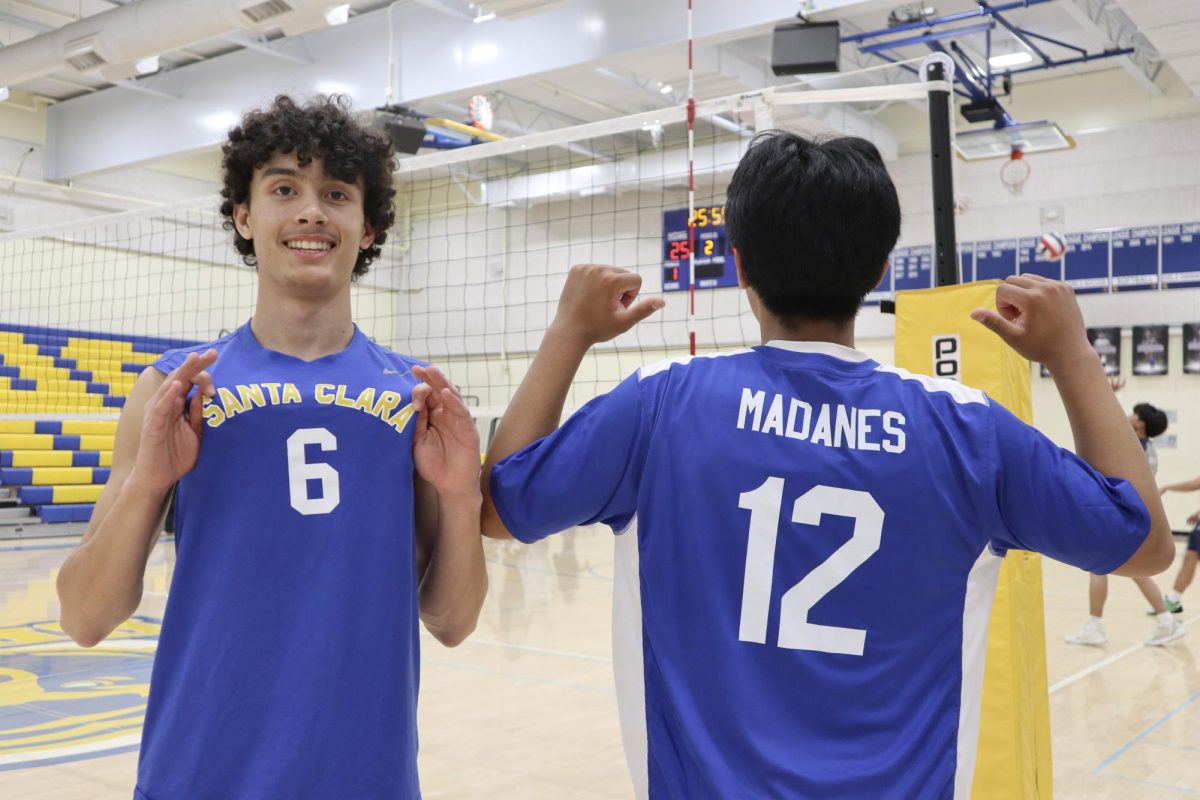
Junior volleyball player Noah Madanes gave his own perspective and observed how staying in JV has helped him improve a lot and gain confidence. Madanes felt that a slower pace allowed him to focus on fundamentals and build trust in his abilities.
“They go over a lot of basics that can help you improve, but if you practice on varsity, it is more of a fast paced practice,” Madanes said. “A lot of people think being a junior on JV is bad, but there are a lot of pros to it because on varsity, people don’t get as much play time, which is important because you get game experience.”
Junior Gabriel Vieira, a boy’s varsity volleyball player, reflected on his personal decision in moving to varsity when he was in his sophomore year. The transition was slightly difficult, but he found that he improved a lot.
“Just because of that exposure of being on varsity, there were more things I knew than the other people who were in my grade,” Vieira said. “It made things easier going into junior year with a spot guaranteed on the team since I had already been on the team prior and I knew everyone. If what you’re trying to get out of a sport is becoming more competitive and a better overall player, then varsity is always going to be the better choice.”
Sophomore Juliet Lopez made an unusual jump from playing badminton at the JV three level to varsity two doubles and analyzed how the steep increase in difficulty transformed the way she plays. Lopez believes exposure to stronger teammates accelerates confidence on the court.
“You get used to playing with people whose shots are a lot quicker and a lot harder to defend. That way, when you get to a real game and their shots are weaker or not as accurate, you know exactly what to do because you’re used to an even more intense variation of that,” Lopez said. “That’s the biggest key to improving: practicing with people who are better than you. You can learn from them and literally see what they’re doing and base yourself off that too.”
Lopez added that getting on varsity as an underclassmen can mold an athlete’s journey and is a long-term payoff.
“(Joining varsity) helps you become a way better player,” Lopez said. “It’s a high-risk, high-reward kind of deal, but it’s a fun challenge, and it’s worth it. Push yourself and see how it goes, and worst case scenario, you lose, and then you just move on. Next game, you’ll win.”
Making the decision between playing at the JV or varsity level comes down to which one helps an athlete develop the most. According to Eszlinger, when athletes are deciding where they fit best, the most important factor is taking control of their own development.
“The best advice I ever got as a player was that you need to be your own agent,” Eszlinger said. “This means going to a place where you feel you can contribute, where you get decent minutes and a place that is competitive and fosters growth.”